New World Screwworm Detections Confirmed
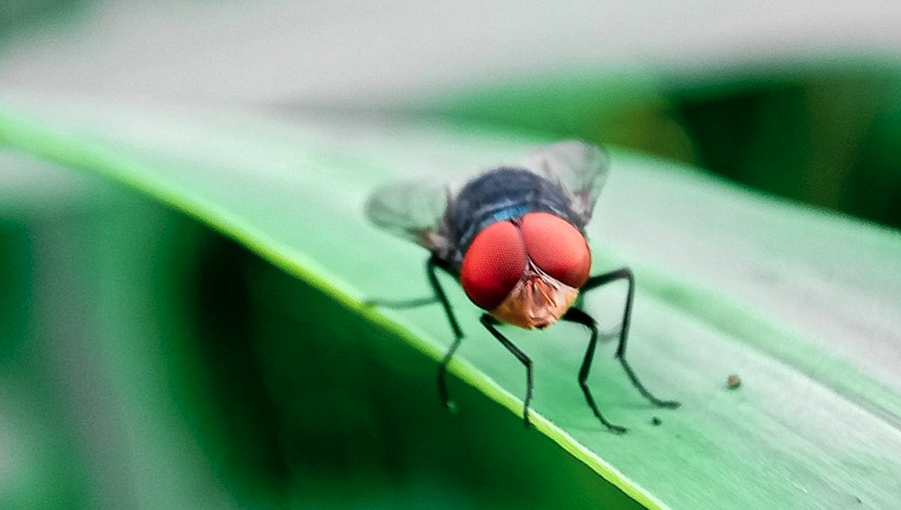
Government officials have confirmed new detections of the New World screwworm today. The Animal and Plant Health Inspection Service reported these new cases after recent testing. This update shows that the dangerous pest is still an active threat to animals.
What is the New World Screwworm?
The New World screwworm is a dangerous fly larva that feeds on living tissue. Female flies lay their eggs in open wounds on warm-blooded animals. Once the eggs hatch, the tiny worms burrow deep into the flesh and cause severe damage or death if left untreated. Getting rid of these pests is a top priority for farm safety.
This bug poses a massive threat to pets, wildlife, and farm stock across affected regions. Farmers and pet owners must check their animals often for open cuts or unusual behavior. Finding these pests early is the best way to protect farm herds and keep local livestock healthy and safe from harm.
Why are New World screwworm detections bad?
confirmed cases mean the pest is actively moving into new areas or staying alive in known spots. When officials spot the fly larvae, they must act fast to stop the spread. Any delay can lead to larger outbreaks that cost money and harm many local farm animals.
Stopping this pest requires immediate action from health agencies and farm workers. A major outbreak could disrupt food supplies, hurt rural businesses, and lead to strict farm quarantines. You can read more about past pest events in this history of screwworm outbreaks to see how officials handle these risks.
How do officials stop the spread of screwworms?
Government teams use several proven tools to track down and eliminate these dangerous flies. They set up animal check stations, track reported cases, and treat hurt animals right away. They also release sterile flies to disrupt the bug breeding cycle and shrink the overall insect population over time.
Here are the primary steps officials take during an active response effort:
- They perform detailed fly identification and trace local pest cases.
- They apply direct medical treatments to sick or wounded farm stock.
- They release sterile male flies to prevent new eggs from hatching.
- They establish strict animal movement rules around target zones.
What should you watch for next?
The Animal and Plant Health Inspection Service will keep monitoring affected areas very closely. They plan to issue new reports as they collect fresh test data from the field. People who live near agricultural zones should watch for official updates from local farm bureaus and health boards.
Every animal owner should stay careful and check their stock every single day. If you see unusual flies near fresh wounds on your animals, report it to a vet immediately. Early warning signs help inspectors stop outbreaks before they grow into larger regional problems.


Comments
Post a Comment