CDC Issues New Report on Measles Cases and Outbreaks
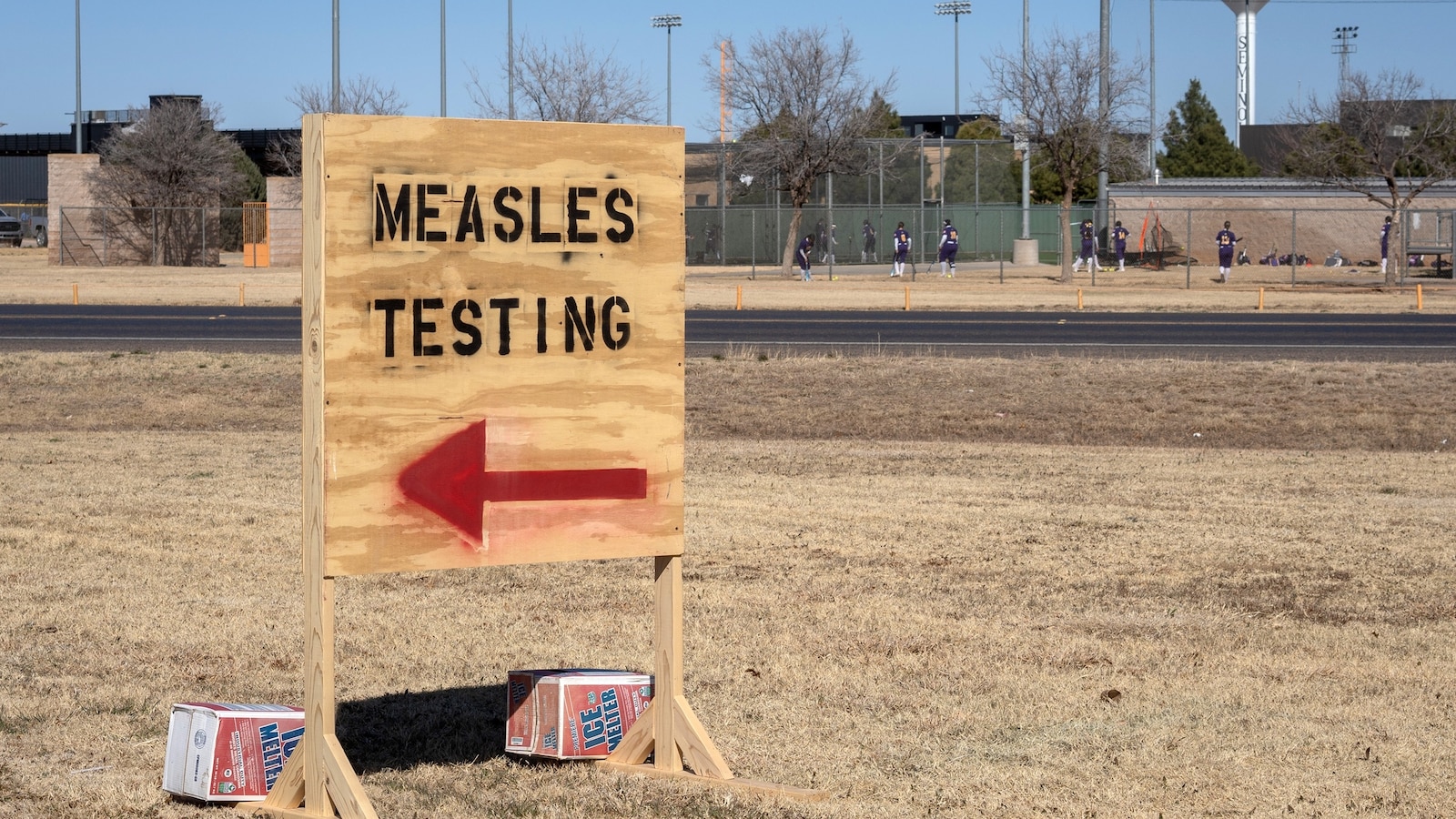
The Centers for Disease Control and Prevention has released a new update tracking measles cases and outbreaks across the country. Federal health experts continue to follow local reports to protect communities from the spread of the virus. Families are urged to pay attention to these updates to keep their children and neighbors safe.
What is measles and how easily does it spread?
Measles is a very contagious illness caused by a virus that spreads through the air when an infected person coughs or sneezes. It can stay in the air of a room for up to two hours after the person leaves. Anyone who is not protected can catch it very quickly just by breathing that air.
Common signs of the virus include a high fever, cough, runny nose, and red, watery eyes. A few days after those signs start, a red rash breaks out on the face and spreads down the body. The condition can be very serious for young babies and people with weak immune systems.
What are the main risks during measles outbreaks?
Recent years have shown a clear measles resurgence in the United States as vaccination rates drop in some towns. When fewer people get their shots, it creates weak spots where the sickness can spread fast from school to school. Stopping an outbreak early takes fast work by local doctors and nurses.
- The virus spreads quickly in crowded places like schools, daycares, and airports.
- People can spread the sickness days before they see any rash on their skin.
- Severe cases can lead to ear infections, lung trouble, or hospital stays.
- Two doses of the MMR shot offer the strongest protection against the virus.
What should you do to protect your family today?
The best step parents can take is to check medical records to make sure everyone has their recommended shots. Most people get two doses during childhood, which gives long-term protection. If you are not sure about your own records, a doctor can run a simple test or give a booster shot safely.
If someone in your home shows signs of a high fever and a rash, call your clinic before you walk in the door. Calling ahead helps doctors prepare a private room so other sick patients do not catch the virus. Following simple safety steps keeps the whole community healthy.
What will health experts watch for next?
The CDC tracks new numbers every week to see if new clusters form in different states. Health leaders also work closely with local clinics to share warnings as soon as a positive test is confirmed. Keeping tabs on these reports helps towns react before an outbreak grows too large.
Travelers should also take special care when flying across state lines or visiting other countries. Many outbreaks start when an unvaccinated traveler catches the virus overseas and brings it back home. Staying informed about official CDC advisories is the best way to keep your home safe.


Comments
Post a Comment